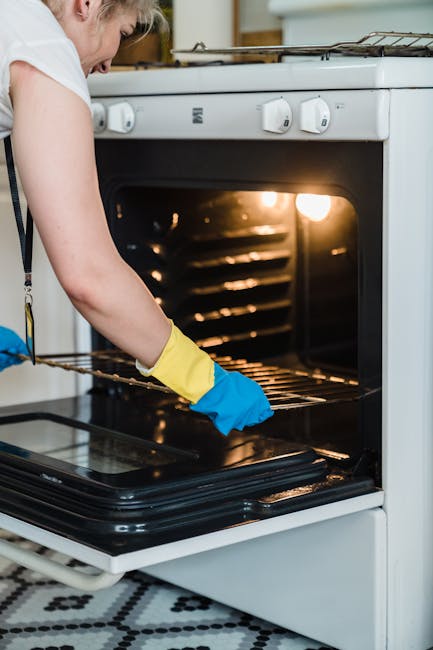
Oven cleaning for Richmond Park cottages Roehampton
If you live in one of the cottages near Richmond Park and Roehampton, you probably know the feeling: a lovely kitchen, lots of character, and then the oven quietly building up the sort of mess that seems to multiply overnight. Oven cleaning for Richmond Park cottages Roehampton is not just about making an appliance look tidy. It is about keeping cooking safe, reducing lingering smells, protecting the finish on an often hard-working oven, and making everyday life feel a bit easier. Truth be told, a grimy oven can drag down the whole room.
This guide walks you through what oven cleaning involves, how it works in a home with older features or smaller kitchen layouts, what to watch out for, and how to decide whether to tackle it yourself or bring in help. You will also find a practical checklist, a comparison table, and answers to the questions people actually ask when they want a proper clean, not just a surface wipe.
Why Oven cleaning for Richmond Park cottages Roehampton Matters
Older cottages and period homes around Richmond Park and Roehampton often come with characterful kitchens, but character does not clean itself. Ovens in these homes may be tucked into tighter spaces, fitted into cabinetry that needs a gentler touch, or used heavily by families who cook every day. When grease and carbonised residue build up, heat distribution can suffer and smells can linger far longer than they should.
There is also a practical side. A clean oven can make weeknight cooking less annoying. No smoke when you open the door. No burnt smell every time the grill comes on. No worrying that last month's roast is still clinging to the enamel. If you have ever opened an oven expecting dinner and instead been greeted by a faint, smoky reminder of a Sunday lunch gone a bit wrong, you will know exactly what I mean.
In cottages, the issue is often not just the oven itself but the setting around it. Narrow access, delicate floors, older tile splashbacks, and painted cabinetry all mean a careful approach matters. That is why many people prefer a method that is thorough but controlled, rather than a quick blast that leaves residues behind or risks damage.
Key takeaway: a proper oven clean improves hygiene, cooking performance, and kitchen comfort, while also protecting the appearance and lifespan of the appliance. For older or compact homes, the method matters as much as the result.
How Oven cleaning for Richmond Park cottages Roehampton Works
At its simplest, oven cleaning works by loosening baked-on grease, softening carbon deposits, and removing residue from the main cavity, racks, trays, glass door, seals, and surrounding touch points. The exact approach depends on the type of oven, how dirty it is, and whether any special features need care, such as catalytic liners, pyrolytic functions, or self-clean settings.
A thorough clean usually follows a calm sequence. First, the unit is allowed to cool fully. Then removable parts are taken out. After that, the cleaner or homeowner tackles the interior surfaces with an appropriate solution, allowing time for grease to lift. Finally, everything is wiped, rinsed, dried, and reassembled. Not complicated, really. But the difference between a decent result and a proper one is usually patience.
In Roehampton cottages, the process may also include a bit of surrounding care. That can mean protecting worktops, wiping nearby cupboards, and checking the hob area so splashes do not simply reappear the moment the oven is back in use. A smart clean is not just inside the appliance. It is the whole cooking zone.
Some ovens are suitable for intensive manual cleaning, while others need a lighter touch because of specialist coatings. If you are not sure which is which, it is better to pause and check the manufacturer guidance rather than risk damaging a liner or seal. Nobody wants a shiny new problem in exchange for a cleaner oven.
Key Benefits and Practical Advantages
A clean oven offers more than a nicer smell. It brings several practical gains that people notice straight away, especially in homes where the kitchen is used hard and often.
- Better cooking performance: heat can circulate more evenly when grease and debris are not insulating the cavity.
- Less smoke and odour: old residue is a common cause of smoke when the oven is heated.
- Improved hygiene: food debris and grease are not ideal to leave sitting in a warm appliance.
- Longer appliance life: regular care can reduce strain and help keep surfaces in better condition.
- Better presentation: useful if you are preparing a property for guests, inspection, or a change of tenants.
- Less stress at mealtimes: the oven becomes something you trust rather than something you avoid.
There is also a subtle but real psychological benefit. A sparkling oven can make the whole kitchen feel more orderly, even if the rest of the day has been a bit chaotic. Small win, but still a win.
For households with busy schedules, oven cleaning often slips until it becomes a bigger job than it needed to be. The practical advantage of booking routine cleaning or using a measured maintenance approach is simple: less effort later. That is usually where the real savings sit.
Who This Is For and When It Makes Sense
Oven cleaning for Richmond Park cottages Roehampton makes sense for a wide range of people, not just those dealing with a truly dreadful mess. In fact, some of the best outcomes come from acting before the buildup becomes stubborn.
This is especially relevant for:
- homeowners who cook regularly and want reliable performance;
- tenants or landlords preparing for an inspection or move;
- hosts who want the kitchen to feel presentable for visitors;
- busy families who do not have time for deep kitchen maintenance;
- older properties where grease buildup can be more noticeable against traditional finishes;
- anyone who has noticed smoke, smell, or visible splatter on the oven door and shelves.
It also makes sense after bigger cooking periods, such as festive meals, holiday hosting, or a run of roasting and baking. You know the kind of week: trays in and out, the oven running hot for hours, and by Sunday evening the glass door looks like it has lived a full life.
If you are deciding whether it is time, ask yourself a simple question: does the oven still feel easy to use, or do you find yourself avoiding certain settings because of smell, smoke, or the sight of the inside? That answer usually tells you enough.
Step-by-Step Guidance
Here is a practical, sensible approach to oven cleaning in a cottage setting. It is not flashy. It is just the way to get a decent result without making a mess of your kitchen in the process.
1. Let the oven cool and clear the area
Always start with a cold appliance. Remove nearby utensils, tea towels, and anything that might absorb cleaning solution or catch splashes. If the oven sits close to open shelving or painted wood, cover surfaces with a towel or cloth for a little extra protection.
2. Take out removable parts
Racks, trays, shelves, and any loose accessories should be removed first. These pieces usually collect the heaviest grease and are easier to handle separately. If your oven has delicate fittings, take care not to bend clips or scratch the interior lining.
3. Apply the right cleaning method
For routine grime, a suitable degreasing cleaner or professional-grade oven cleaner may be enough. For heavier buildup, a longer soak or dwell time is often needed. The point is to let the product do the work rather than scrubbing the life out of the surface. That said, elbow grease still has a role. Sadly, no miracle there.
4. Clean the glass, door edges, and seals
The door glass is where people often notice the difference first. Use care around seals, vents, and hinge areas, because too much liquid can seep into places it should not. Wipe away residue fully so the door closes cleanly and smells do not linger.
5. Rinse and dry thoroughly
Any remaining cleaner should be removed with clean damp cloths, followed by a dry cloth. Moisture left behind can create streaking or a slightly chemical smell the next time the oven heats up. Not ideal.
6. Reassemble and test gently
Once dry, replace the shelves and trays. Then run the oven briefly if appropriate, with ventilation, to check that no residue remains. If the smell of cleaner is still strong, a further wipe may be needed before normal use.
For older cottages, take your time with each step. A rushed job is where drips, scratches, and missed corners usually happen. Slow is fine here. Slow is often better.
Expert Tips for Better Results
After a while, you start to notice that good oven cleaning is less about brute force and more about judgement. A few small habits make the whole job easier.
- Deal with spills early. Fresh splashes are always easier to remove than baked-on residue.
- Use the right cloths. Soft microfibre works well for glass and painted surfaces, while abrasive pads can leave marks.
- Do the racks separately. They often need more soaking time than the main cavity.
- Ventilate the room. Open a window if you are using a strong cleaning product.
- Check oven settings before you start. Some self-clean and coated models need specific care.
- Protect surrounding finishes. Especially in cottages with traditional cabinetry or older stone, tile, or timber details.
A useful little tip: clean when the kitchen is calm. Not during lunch prep, not while someone is asking where the serving spoon is, and definitely not five minutes before guests arrive. Mid-morning or early afternoon tends to be the sweet spot. Less chaos, better results.
If you want to stay on top of the appliance between deep cleans, give the oven door and handle a quick wipe after cooking greasy dishes. It takes a minute, maybe two, and it prevents the whole thing from snowballing.
Common Mistakes to Avoid
Most oven cleaning problems come from being too aggressive, too impatient, or too casual about the details. The good news is that these mistakes are avoidable.
- Using unsuitable abrasives: these can scratch glass, enamel, and coatings.
- Spraying too much liquid: excess solution can seep into seals, vents, or electronics.
- Ignoring the manual: some ovens have specific care instructions that matter.
- Not removing residue fully: leftover cleaner can smell unpleasant when heated.
- Forgetting the racks and trays: a clean cavity with dirty shelves looks half-finished.
- Cleaning while the oven is warm: heat can make some products behave unpredictably and may increase risk.
Another easy mistake is treating every oven as if it is built the same way. It is not. A robust freestanding cooker, a compact built-in unit, and a self-cleaning oven all ask for slightly different handling. Slightly. But enough to matter.
If you are in doubt, gentler is usually safer. You can always repeat a careful clean. You cannot always undo a damaged finish.
Tools, Resources and Recommendations
You do not need a mountain of equipment to clean an oven well, but the right basics make the job smoother and less frustrating.
| Tool or product | Best use | Why it helps |
|---|---|---|
| Microfibre cloths | Glass, doors, external panels | Lift grease without leaving lint behind |
| Soft sponge | General wiping and rinse-down | Gentle on enamel and painted surfaces |
| Non-abrasive scraper | Stubborn spots on suitable surfaces | Helps remove baked-on residue without harsh scrubbing |
| Degreasing cleaner | Heavy grease and food residue | Breaks down built-up grime more effectively than plain water |
| Protective gloves | When using cleaning products | Helps protect skin during longer cleaning sessions |
| Old towel or sheet | Protecting flooring and cabinets | Useful in compact cottage kitchens with less splash room |
For homeowners who prefer professional support, it can also help to look at related services that support the wider kitchen or property. For example, a deep cleaning service may suit a kitchen that needs more than the oven alone, while a one-off cleaning option can be practical before a move, event, or inspection. If the job is simply bigger than you want to tackle, a dedicated oven cleaner may be the easiest way to get it handled properly.
To keep expectations clear, many people also like to check the provider's pricing and quotes page before booking. It is a sensible habit. Nobody enjoys uncertainty on a house-hold job, and fair enough too.
Law, Compliance, Standards, or Best Practice
For most homeowners, oven cleaning is a straightforward domestic task. Still, best practice matters, especially if the property is let, managed, or used by guests. In practical terms, the main points are safety, product use, and care around the appliance manufacturer's instructions.
Where chemicals are used, they should be handled with care, stored correctly, and used in line with the product guidance. Good ventilation is sensible, particularly in smaller kitchens. If the oven has electrical components exposed or a fault is suspected, cleaning should pause until the appliance is safe to use.
Landlords and managing agents usually look for kitchens that are hygienic and in a presentable condition at handover or inspection. That does not mean every oven must look factory fresh, but it should be clean enough to use without complaint or obvious residue. For tenancy situations, pairing oven cleaning with end of tenancy cleaning can help keep the standard consistent across the whole property.
There is also a broader duty of care issue when cleaners are working in someone's home. Reasonable precautions, clear communication, and suitable insurance matter. If you want to understand how a provider handles this side of the job, it is worth reviewing their health and safety policy, along with their insurance and safety information. That is not being fussy. It is just sensible.
Options, Methods, or Comparison Table
There are usually three practical ways to approach oven cleaning: do it yourself, book a general cleaner who includes ovens, or use a specialist service. Each has its place.
| Method | Best for | Pros | Trade-offs |
|---|---|---|---|
| DIY cleaning | Light to moderate buildup | Low direct cost, flexible timing | Takes time, can be messy, results vary |
| General domestic clean | Routine household maintenance | Convenient, covers broader kitchen tasks | May not address heavy oven grime in detail |
| Specialist oven cleaning | Heavy grease, neglected ovens, move-out prep | More thorough, more consistent finish | Usually costs more than basic DIY |
In a cottage kitchen, the best option often depends on two things: how dirty the oven is and how much disruption you can tolerate. If you have a busy household, or if the oven has not been properly cleaned for a while, a specialist route can save a lot of bother. If the oven is only lightly marked, a careful DIY clean may be perfectly fine.
For many people, the sweet spot is not choosing one method forever. It is using the right method at the right time. A professional clean once in a while, then lighter maintenance in between. That tends to work rather well.
Case Study or Real-World Example
Here is a realistic local-style example. A couple living in a Roehampton cottage near Richmond Park had a built-in oven that had not been deeply cleaned for several months. The glass door had become cloudy, the bottom tray was sticky, and every roast dinner brought a faint burnt smell that lingered into the evening. Nothing dramatic, just annoying. The kind of thing you keep meaning to deal with.
They started with the obvious step: removing the racks and trays and wiping out loose crumbs. That helped a bit, but the baked-on grease inside the door and around the side walls needed more attention. Because the kitchen was compact, they laid a towel across the floor, opened a window, and worked slowly from the top down.
The biggest improvement came from giving the cleaner time to work before wiping. Not rushing it made a bigger difference than switching products. The glass door became clear enough that they could actually see the food again, which sounds minor until you realise how much nicer it feels to cook in a tidy oven. They followed that with a habit of wiping the door after roast dinners and doing a light clean every few weeks. Small effort, much better outcome.
That is the pattern most people find. One thorough reset, then maintenance that keeps the job from snowballing. Nothing glamorous, but very effective.
Practical Checklist
Use this checklist before and after oven cleaning so you do not miss the awkward little details.
- Oven is fully cooled
- Nearby surfaces protected
- Racks, trays, and accessories removed
- Appropriate cleaner selected for the oven type
- Kitchen ventilated
- Residue allowed time to loosen
- Door glass cleaned carefully
- Seals and vents wiped without soaking
- Cleaner fully rinsed or removed
- All parts dried before reassembly
- Burn-off test checked only if safe and suitable
- Final wipe of surrounding hob, handles, and splashback
If you want to reduce future buildup, add a tiny maintenance habit after heavy cooking days. A quick wipe now is worth ten times the effort later. Honestly, it really is.
Get a free quote today and see how much you can save.
Conclusion
Oven cleaning for Richmond Park cottages Roehampton is one of those jobs that pays you back quickly. The oven looks better, cooks better, smells better, and feels less like a nuisance hiding in the corner of the kitchen. In older or character homes, a careful approach is especially worthwhile because the appliance, the finishes around it, and the available space all deserve a bit of respect.
Whether you are dealing with everyday grease, post-roast residue, or a long-overdue deep clean, the best approach is the one that balances thoroughness with care. Use the right method, avoid rushing, and pay attention to the details around the glass, seals, and shelves. If you decide to get help, choose a service that is clear about safety, standards, and pricing.
And if all you do this week is make the oven one step easier to live with, that still counts. Small improvements add up, especially in a home that is busy, warm, and properly lived in.
Frequently Asked Questions
How often should an oven be cleaned in a Roehampton cottage?
For most homes, a light wipe after messy cooking and a deeper clean every few months is a sensible rhythm. If you roast, bake, or grill often, you may need to clean more frequently to stop grease from hardening.
Is professional oven cleaning worth it for an older cottage kitchen?
Often, yes. Older kitchens may have tighter access, more delicate finishes, or ovens that are harder to reach and clean thoroughly. A specialist clean can save time and reduce the risk of damage.
Can I clean a self-cleaning oven the same way as a standard one?
No, not quite. Self-cleaning ovens can have special liners or heat-based cleaning functions that need different care. Always check the manufacturer instructions before using any product or method.
What is the main sign that my oven needs a deep clean?
Smoke, burnt smells, visible black residue, sticky shelves, and cloudy door glass are the usual signs. If food tastes fine but the oven smells unpleasant when hot, that is often the giveaway.
Will oven cleaning remove all burnt marks?
Most marks can be reduced significantly, but very old or heat-bonded stains may not disappear completely. A careful clean can still improve appearance and performance even if a faint mark remains.
Is it safe to use strong oven cleaners at home?
They can be safe when used properly, but ventilation, gloves, and careful application matter. The key is to follow the product directions and avoid using too much or applying it to unsuitable surfaces.
How long does a proper oven clean usually take?
That depends on the condition of the oven. A light clean may take under an hour, while a heavy build-up can take longer because the cleaner needs time to loosen the grease before wiping.
Should I remove the oven door for cleaning?
Usually not unless the manufacturer says it is appropriate or the job really requires it. Most of the time, careful cleaning around the door, glass, and hinges is enough without disassembly.
Can oven cleaning help if my kitchen smells smoky when cooking?
Yes, very often. Built-up grease and old food residue are common causes of smoke and odour when the oven heats up. Cleaning those areas usually makes a noticeable difference.
Do landlords expect ovens to be professionally cleaned at the end of a tenancy?
Expectations vary, but the oven should normally be left in a hygienic, clean condition. For many move-out situations, a professional deep clean helps avoid disputes and makes the handover smoother.
What should I ask before booking an oven cleaning service?
Ask what is included, how they handle different oven types, what products they use, whether they are insured, and how they price the work. Clear answers are a good sign.
Can oven cleaning be combined with other household cleaning jobs?
Yes, and that is often the most efficient approach. Many people pair it with deep cleaning, one-off cleaning, or broader domestic cleaning so the whole kitchen feels refreshed at once.